
How CNC Bushings Reduce Equipment Wear for Factories
Introduction
In any factory setting, equipment operates under intense conditions. Constant high-speed motion, heavy loads, and vibrations inevitably lead to wear and tear from friction, impact, and misalignment. This wear is a primary driver of maintenance costs, unplanned downtime, and reduced operational efficiency. For factory managers and procurement teams, finding solutions to mitigate this is a top priority. This is where precision-engineered components become critical.
CNC bushings are one of the most effective and fundamental components for protecting industrial machinery. The strategic use of high-quality CNC bushings reduce equipment wear, directly contributing to longer equipment lifespans and a more productive factory floor. This guide will explore exactly how these parts achieve this, providing valuable insights for engineers and buyers looking to enhance reliability and lower the total cost of ownership.
What Are CNC Bushings?
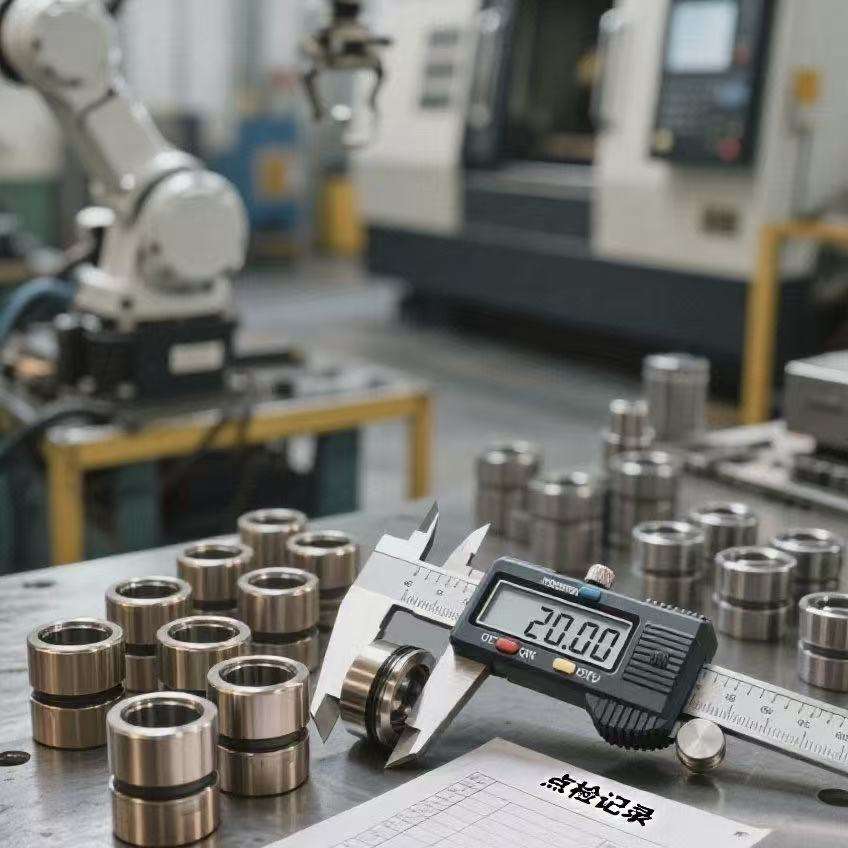
A CNC bushing is a precision-engineered sleeve, typically cylindrical, designed to be installed between two moving components. It serves as a sacrificial interface that bears the brunt of friction, supports loads, and absorbs shock. The “CNC” (Computer Numerical Control) designation is crucial; it means the bushing is manufactured using automated processes that guarantee extremely high precision, consistency, and repeatability.
Unlike generic, mass-produced parts, CNC machining allows bushings to be customized with specific materials and tight tolerances tailored to the application. They are commonly found in:
- Pumps and hydraulic cylinders
- Transmission and drive systems
- Robotic arms and factory automation equipment
- Conveyor systems and stamping presses
How CNC Bushings Reduce Equipment Wear
The primary value of CNC bushings reduce equipment wear through four main mechanisms, each contributing to the longevity and reliability of the machinery.
1. Friction Reduction
Metal-on-metal contact is a primary cause of wear. CNC bushings are designed to minimize this through:
- Precision Fit and Surface Finish: Custom bushings are machined to tight tolerance standards (like ISO 286), ensuring a perfect fit between the shaft and housing. This allows a stable lubrication film (grease or oil) to form. With a controlled surface finish (typically Ra 0.4–1.6μm), the lubricant is effectively retained, preventing direct metal contact and dramatically reducing friction.
2. Shock Absorption
Many factory machines, such as stamping presses, forging hammers, or heavy-duty conveyors, generate significant shock and vibration.
- Distributing Stress: A bushing’s large surface area helps distribute these impact forces evenly across the housing, rather than concentrating them on a small point. This dampening effect protects more sensitive and expensive components, like bearings and main shafts, from fatigue and catastrophic failure.
3. Preventing Misalignment Wear
Even minor misalignments between a shaft and its housing can cause uneven, accelerated wear, a condition known as “edge loading.”
- Ensuring Proper Alignment: Because CNC bushings are machined to precise concentricity and roundness specifications, they ensure the shaft is perfectly centered and aligned within its bore. This guarantees that loads are distributed as intended, preventing the kind of localized wear that quickly destroys both the bushing and the shaft.
4. Acting as a Sacrificial Component
This is perhaps the most critical function from a maintenance perspective.
- Protecting Expensive Parts: The bushing is intentionally designed to be the “weakest link” in terms of wear. It is made from materials that are softer than the main shaft or pin it supports. Over time, the bushing wears down, but the far more expensive and difficult-to-replace components remain intact. Replacing a worn bushing is a quick, low-cost maintenance task compared to replacing a main drive shaft or a hydraulic cylinder rod.
Material Choices and Their Impact on Wear Reduction
The material of a CNC bushing is selected based on the specific wear challenges of the application.
| Material | Key Properties | Ideal Factory Application Scenario |
|---|---|---|
| Bronze/Brass | Excellent wear resistance, self-lubricating | High-friction, dusty environments (e.g., conveyor rollers, mixing equipment) where consistent lubrication is difficult. |
| Alloy Steel (Hardened) | Superior strength, high impact resistance | High-load pivot points in stamping presses, hydraulic cylinders, and heavy-duty material handling equipment. |
| Stainless Steel | Excellent corrosion resistance | Food processing, chemical, or pharmaceutical factories where washdowns and corrosive agents are common. |
| Engineering Plastics (PEEK/PTFE) | Self-lubricating, noise-dampening, chemical inertness | Clean-room environments, light-duty automation, or applications where external lubricants are not permitted. |
Cost and Maintenance Benefits for Factories
Investing in high-quality CNC bushings provides a clear and significant return on investment for any factory.
- Extended Equipment Lifespan: By protecting critical components, bushings directly contribute to a longer operational life for expensive machinery, reducing long-term capital expenditure.
- Reduced Unplanned Downtime: Reliable components mean fewer unexpected breakdowns. This boosts Overall Equipment Effectiveness (OEE) and maintains production schedules.
- Simplified Maintenance: Replacing a standardized, accessible bushing is a much faster and more efficient maintenance task than a major component overhaul, improving spare parts management and reducing labor costs.
Case Example: A manufacturing plant replaced standard steel sleeves in its conveyor system with custom-designed, heat-treated alloy steel CNC bushings. The result was a 40% extension in the maintenance interval, which translated to a reduction of over 120 hours of maintenance downtime per year and a significant drop in associated labor costs.
Procurement Insights for Factory Buyers
To ensure you are sourcing components that deliver these benefits, procurement teams should:
- Provide Clear RFQs: Your Request for Quotation should specify all critical requirements, including tolerance grades (e.g., ISO 286 H7), material specifications, and any surface treatments like chrome plating or phosphating.
- Request Quality Documentation: Reputable suppliers should be able to provide CMM inspection reports, hardness test reports, and material certifications to verify that the parts meet your specifications.
- Verify Supplier Certifications: Look for suppliers with ISO 9001 certification as a baseline for quality management. For automotive-related factory equipment, IATF 16949 is a key indicator of process control.
- Build Strategic Partnerships: For recurring needs, establish a long-term relationship with a supplier. This allows for better planning of MOQs and lead times through blanket orders and shared production forecasts.
Conclusion
In the effort to maximize factory efficiency and minimize operational costs, the strategic use of high-quality components cannot be overstated. CNC bushings reduce equipment wear, serving as a frontline defense against friction, impact, and misalignment.
By investing in precision-engineered bushings made from the correct materials, factories can significantly enhance equipment reliability, reduce maintenance costs, and extend the lifespan of their most valuable assets.
Contact our engineering team today for a consultation on CNC bushings that help reduce equipment wear, extend machinery life, and cut factory maintenance costs.