
Zinc-Plated CNC Bushings for Industrial Durability
1. Introduction
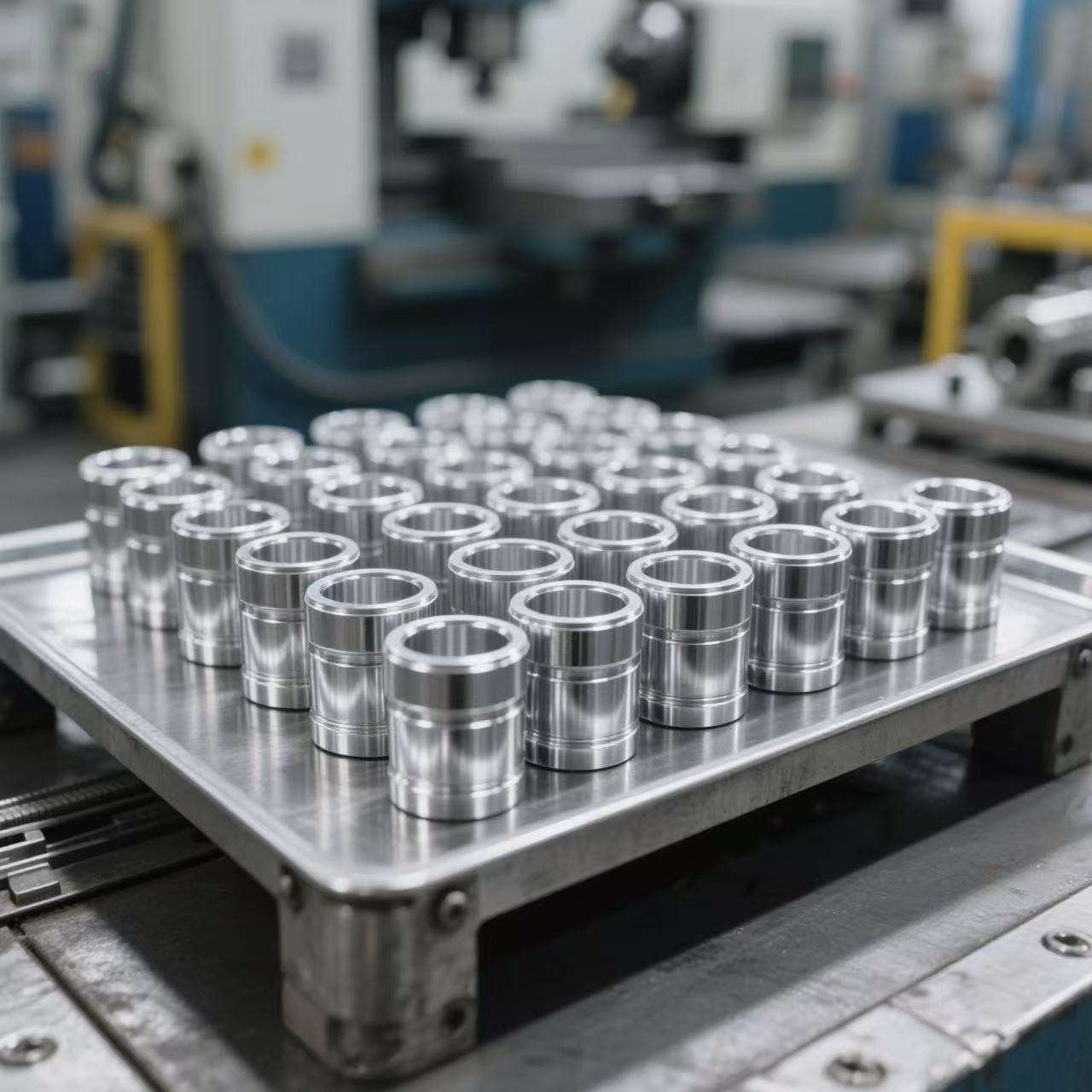
CNC bushings are essential components that ensure the smooth and reliable operation of industrial machinery. However, in harsh operating environments, these precision parts face a relentless enemy: corrosion. Rust can compromise a bushing’s integrity, leading to premature wear, equipment failure, and costly downtime. For industrial buyers, finding a cost-effective solution for corrosion protection is paramount. Zinc plating stands out as one of the most common and economical methods for creating durable zinc-plated CNC bushings.
This guide is designed for procurement managers and engineers, focusing on the industrial durability of zinc-plated CNC bushings and providing key insights into the technical specifications and quality checks required for successful sourcing.
2. Zinc Plating Process for CNC Bushings
Zinc plating is an electroplating process where a thin layer of zinc is deposited onto the surface of a steel or alloy steel CNC bushing. This process, also known as galvanization, creates a protective barrier that shields the base metal from corrosive elements.
Key Characteristics:
- Corrosion Protection: The zinc layer acts as a sacrificial coating. It corrodes first, protecting the steel substrate underneath.
- Cost-Effectiveness: It is a highly economical method for achieving good corrosion resistance, especially when compared to using solid stainless steel.
- Aesthetic Finish: Zinc plating provides a bright, clean, and metallic appearance, often with a subsequent passivation layer that can be clear (blueish), yellow, or black.
Comparison with Other Finishes:
- vs. Stainless Steel: Zinc plating is significantly cheaper but offers less corrosion resistance in highly aggressive environments.
- vs. Black Oxide: Zinc plating provides superior corrosion protection but adds a measurable thickness to the part, which must be accounted for in the initial machining tolerances.
3. Benefits of Zinc-Plated CNC Bushings
For industrial buyers, specifying zinc-plated CNC bushings offers a compelling balance of performance, cost, and versatility.
- Effective Corrosion Resistance: The primary benefit is the prevention of rust. This makes zinc-plated bushings highly suitable for equipment used in moderately corrosive environments, including outdoor machinery, humid factory floors, and applications where regular washdowns occur.
- Cost-Effectiveness: Zinc plating provides excellent value. It delivers robust corrosion protection at a fraction of the cost of manufacturing the entire bushing from a corrosion-resistant alloy like stainless steel, making it an ideal choice for large-volume orders.
- Extended Service Life: By preventing rust, the zinc coating ensures that the bushing maintains its structural integrity and smooth surface for longer. This reduces the frequency of maintenance and replacement, leading to improved equipment stability and a lower Total Cost of Ownership (TCO).
- Versatility: The process is applicable to a wide range of steel grades, making it a versatile solution across many industries, including general machine building, agricultural equipment, automotive components, and construction hardware.
4. Technical Specifications for Zinc-Plated Bushings
To ensure the desired performance, buyers must clearly specify several technical requirements in their drawings and RFQs.
- Plating Thickness: This is the most critical factor influencing durability. The thickness is typically measured in micrometers (µm). Common ranges include:
- 5-8 µm: For mild, indoor environments.
- 8-12 µm: For moderate outdoor or industrial use.
- 12-25 µm: For more severe or long-life applications. The required thickness should be clearly stated on the engineering drawing.
- Surface Finish (Passivation/Chromate): After plating, a passivation layer is applied. Buyers can specify the type, which affects both appearance and corrosion resistance:
- Clear/Blue Passivate: Offers a bright, aesthetically pleasing finish with standard protection.
- Yellow/Color Passivate: Traditionally offers enhanced corrosion resistance.
- Adhesion Quality: The zinc layer must be strongly bonded to the base metal. A quality supplier will have robust pre-treatment processes (cleaning and activation) to ensure excellent adhesion and prevent the coating from flaking or peeling in service.
- Substrate Compatibility: The process is most effective on carbon and alloy steels. The condition of the base material’s surface finish before plating will also affect the final quality of the coating.
5. Procurement Checklist for Buyers
Use this practical checklist to ensure you are sourcing high-quality, reliable zinc-plated CNC bushings:
- ✅ Request a Salt Spray Test Report: For critical applications, ask the supplier to provide a salt spray test report (per ASTM B117). This is the industry standard for verifying corrosion resistance. A quality commercial zinc plating (8µm with passivate) should typically withstand 96 hours without showing significant red rust.
- ✅ Confirm RoHS / REACH Compliance: If your equipment is sold in the European market, ensure the zinc plating process and any passivation chemicals used are compliant with RoHS (Restriction of Hazardous Substances) and REACH regulations.
- ✅ Specify Packaging Requirements: Plated parts must be protected during transit. Require that bushings are individually wrapped or separated, coated with a light rust-preventative oil, and sealed in VCI (Vapor Corrosion Inhibitor) bags to prevent oxidation and scratching during sea freight.
- ✅ Ask for Quality Documentation: A reliable supplier should be able to provide a Certificate of Conformance (CoC) and, upon request, batch-specific plating thickness test reports.
- ✅ Clarify MOQ, Lead Time, and Cost: Discuss your volume needs and delivery schedule. Understand how the cost of zinc plating compares to other options like black oxide (cheaper, less protective) and stainless steel (more expensive, most protective) to make the best TCO decision.
6. Conclusion & Call to Action
Zinc-plated CNC bushings offer an excellent combination of industrial durability and cost-effectiveness. They are a proven solution for protecting steel components from corrosion in a wide array of applications.
For buyers, the key to successful procurement lies in a clear understanding of the technical requirements. By paying close attention to plating thickness, demanding verifiable quality data through test reports, and ensuring proper packaging, you can source components that deliver reliable performance and a long service life.
Contact our team today to discuss your specific application. We can provide technical consultation and a competitive quotation for high-quality, zinc-plated CNC bushings tailored to your durability needs.