
Surface Finishing Options for Industrial CNC Bushings: A Comprehensive B2B Guide
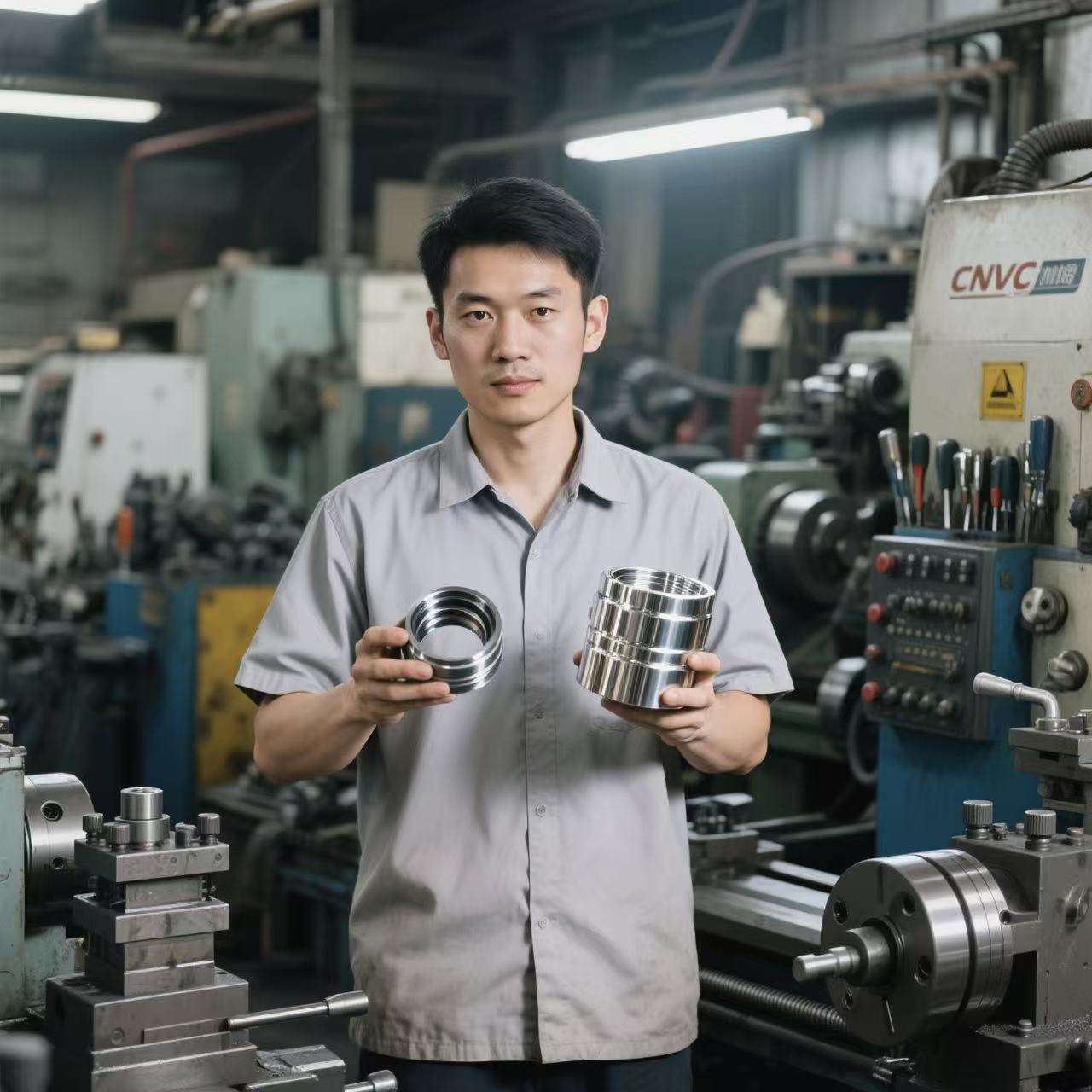
In the field of precision manufacturing, CNC bushings are key to ensuring the smooth and efficient operation of machinery. While dimensional tolerance and material selection are vital, another often overlooked yet crucial step is surface finishing. A suitable surface finishing process not only defines the bushing’s appearance but also directly impacts its wear resistance, corrosion protection, and overall service life.
Simply put, surface finishing is the bridge between precision machining and superior performance. It elevates a high-quality metal component into a reliable asset capable of long-term, stable operation in harsh industrial environments. This guide aims to detail the primary surface finishing technologies for bushings, analyze their principles and benefits, and provide a clear selection framework for industrial buyers.
Why is Surface Finishing Crucial for CNC Bushings?
Once in operation, the success or failure of a CNC bushing often depends on its surface performance. An untreated or improperly treated surface can fail quickly, even if the base material is excellent. The core value of surface finishing is demonstrated in four key areas:
- Improved Wear Resistance: In industrial applications, there is constant relative motion and friction between a bushing and a shaft or housing. A hard, smooth surface layer (like hard chrome plating) can significantly reduce the coefficient of friction, effectively minimizing wear. This extends the lifespan of both the bushing and the expensive components it mates with, such as a main shaft.
- Enhanced Corrosion Protection: Many bushings operate in humid, chemical-laden, or high-salinity environments. Without effective protection, the base metal is susceptible to oxidation (rust) or chemical corrosion. Processes like zinc plating, phosphating, or powder coating form a dense protective barrier, isolating the part from corrosive media.
- Performance Enhancement: Special functional coatings, such as PTFE (Teflon), can provide an extremely low friction coefficient, achieving self-lubrication and reducing the energy consumption of equipment. In some high-precision applications, this can even lower operational noise and heat generation.
- Aesthetics & Identification: A uniform, professional finish (like black oxide or anodizing) enhances the perceived quality of a product. In some cases, different colored finishes can also serve as a physical identifier to distinguish between parts with different specifications or purposes, simplifying assembly and maintenance.
Common Surface Finishing Processes for CNC Bushings
The choice of process depends on the bushing’s base material, working environment, and cost budget. Below are some of the most mainstream surface finishing technologies in the industrial sector.
3.1 Zinc Plating
- Principle: An electrolytic process that deposits a uniform, dense layer of zinc onto the surface of a steel or iron bushing. The finish can be clear (silver), yellow, or olive drab, depending on the post-treatment.
- Advantages: This is one of the most common and cost-effective anti-corrosion treatments. The zinc layer provides excellent sacrificial cathodic protection, meaning that even if the coating is slightly scratched, the zinc will corrode preferentially, protecting the steel base.
- Applications: Widely used in applications with basic corrosion resistance requirements and relatively mild working environments, such as general machinery, automotive brackets, construction hardware, and industrial fixtures.
3.2 Phosphating / Passivation
- Principle: The bushing is immersed in a phosphate solution, where a chemical reaction forms a stable, insoluble phosphate conversion coating on the surface. This film is typically gray or black.
- Advantages: The phosphate film itself offers good corrosion resistance, and its porous structure effectively absorbs rust-preventive oils, further enhancing protection. It also provides an excellent adhesion base for subsequent painting or coating.
- Applications: Common for hydraulic system components (like bushings inside valve bodies), automotive chassis parts, and industrial parts that require a secondary coating.
3.3 Oxidation
- Anodizing (for aluminum alloys):
- Principle: The aluminum bushing is used as an anode in an electrolytic bath, causing a hard, wear-resistant layer of aluminum oxide (Al₂O₃) to form on its surface.
- Advantages: Significantly increases the surface hardness and corrosion resistance of aluminum parts. The oxide film can also be dyed in various colors, offering both functional and aesthetic benefits.
- Applications: Aluminum bushings in the aerospace industry, decorative parts on automation equipment, and electronic product enclosures.
- Black Oxide (for steel parts):
- Principle: The steel part is treated in a hot alkaline solution, which forms a dense layer of black iron oxide (Fe₃O₄) on the surface.
- Advantages: A simple and low-cost process with a minimal effect on part dimensions. The resulting finish is a uniform black, which is aesthetically pleasing and offers mild corrosion resistance.
- Applications: Industrial equipment parts where appearance is a factor but corrosion resistance is not critical, such as molds and fasteners.
3.4 Hard Chrome Plating
- Principle: A thick layer (typically 20-100 μm) of hard chromium is electroplated onto the bushing’s surface.
- Advantages: The coating is extremely hard (up to HV 800-1000), far exceeding the hardness of most base metals. It has a very low coefficient of friction, exceptional wear resistance, and good corrosion resistance.
- Applications: The top choice for high-performance bushings. Commonly found on hydraulic cylinder piston rods, high-load journals, printing press rollers, precision molds, and any sliding components requiring extreme durability.
3.5 Powder Coating
- Principle: A dry powder paint is applied electrostatically to the surface of the bushing. The part is then heated, causing the powder to melt, flow, and cure into a hard, durable coating.
- Advantages: The coating is thick and dense, providing top-tier resistance to corrosion, chemicals, and impact. It offers a uniform, attractive finish with a wide range of color options.
- Applications: Primarily used for external components on large machinery or for bushing housings and related parts operating in extremely harsh environments (e.g., marine, chemical, mining).
3.6 Specialty Coatings
- PTFE (Teflon) Coating: Provides the lowest coefficient of friction of any solid material, enabling excellent dry lubrication and non-stick properties. Suitable for food processing machinery and high-cleanliness environments.
- MoS₂ (Molybdenum Disulfide) Coating: A solid lubricant that provides effective friction reduction in environments where liquid lubricants fail, such as high vacuum, high load, or extreme temperatures. Used in aerospace and automotive engine components.
- Ceramic Coating: Offers extremely high hardness, high-temperature resistance, and chemical inertness. Suitable for pumps, valves, chemical equipment, and any application requiring resistance to high-temperature wear and corrosion.
How to Select the Right Surface Finish
Choosing the optimal surface finish for a CNC bushing requires considering four core factors:
- Working Environment: This is the primary determinant.
- Humid or Outdoor: Prioritize zinc plating, hard chrome plating, or powder coating.
- Chemical Corrosion: Select powder coating, ceramic coating, or a specific corrosion-resistant alloy based on the chemical media.
- Dusty, Abrasive Conditions: Hard chrome plating or ceramic coating is the best choice.
- Load & Speed:
- High Load, High Wear: Hard chrome plating, ceramic coating, or a case-hardening heat treatment (like carburizing/nitriding) is necessary.
- Low to Medium Speed & Load: Phosphating, black oxide, or zinc plating is often sufficient.
- Cost Budget:
- Economical: Black oxide, phosphating, and zinc plating are the lowest-cost options.
- Performance-Driven: Hard chrome plating, PTFE, and ceramic coatings are more expensive but deliver significant improvements in performance and lifespan.
- Customer & Application Needs:
- Aesthetics: Anodizing (colorable), black oxide (pure black), and powder coating (wide color range) can meet different visual requirements.
- Assembly Requirements: Consider the coating’s thickness and its effect on final fit tolerances. Some thin-film treatments (like black oxide) have a negligible impact on dimensions.
Conclusion
Surface finishing is by no means an afterthought in the CNC bushing production process; it is a critical step that determines the final performance and value of the part. A carefully chosen and high-quality surface treatment can maximize the results of precision machining, empowering the bushing to serve reliably under demanding conditions.
For industrial buyers, selecting the right process means directly improving equipment durability while reducing long-term maintenance costs and downtime risks. This upfront investment will yield significant returns throughout the equipment’s entire life cycle.
If you require custom CNC bushings with special surface finishing requirements, please contact us for expert technical support and a tailored solution. Our experienced engineers will help you find the optimal balance between performance and cost.