
CNC Bushings for Robotics and Automation: A Supplier Guide
1. Introduction
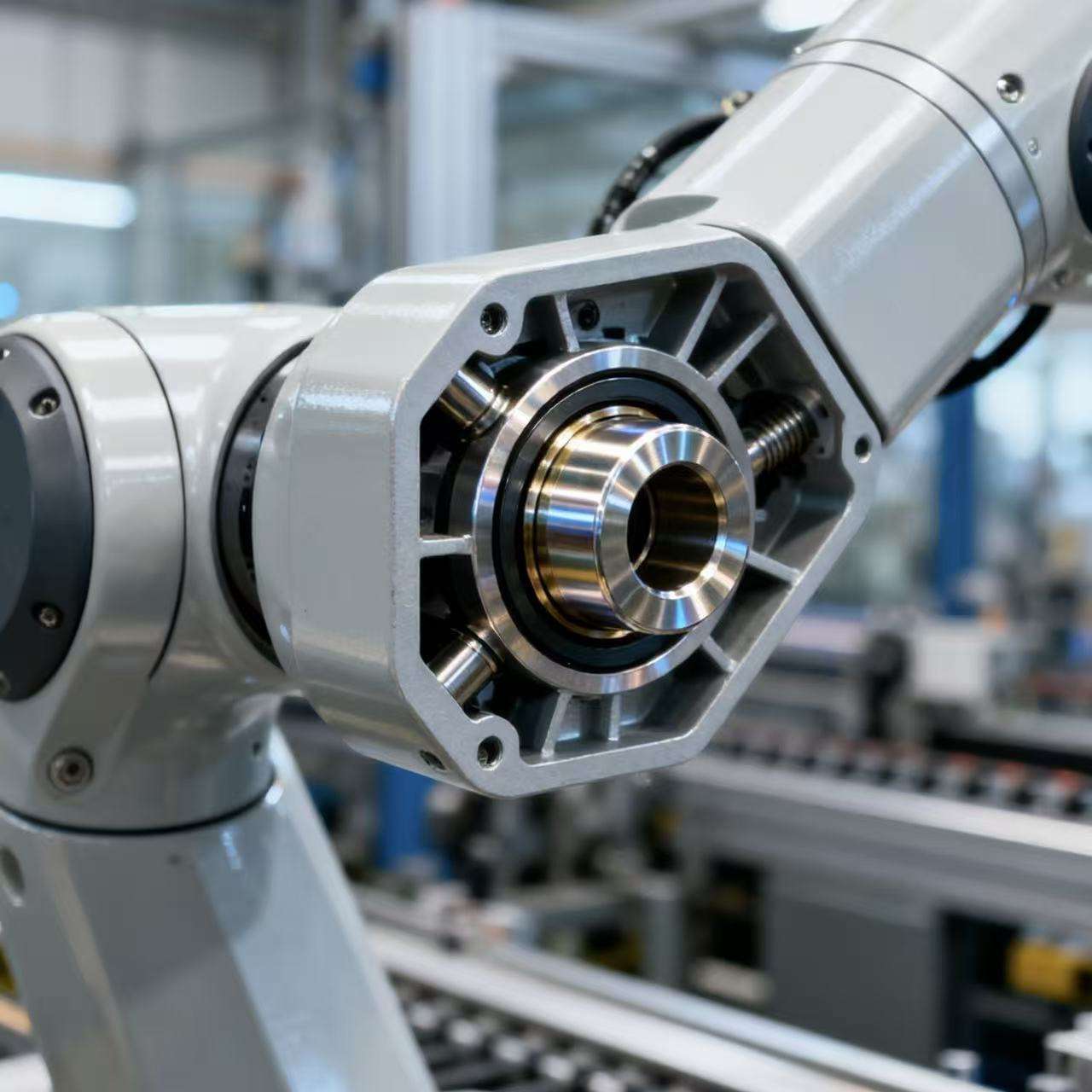
The robotics and automation industry is built on a foundation of precision, speed, and unwavering reliability. In high-speed robotic arms, automated guided vehicles (AGVs), and complex assembly lines, every component must perform flawlessly through millions of cycles. In this demanding environment, CNC bushings are critical components that function in joints, guide rails, and transmission systems, directly influencing the accuracy and longevity of the equipment.
For procurement managers and engineers in the automation supply chain, sourcing the right bushings is a strategic decision. The choice impacts everything from positional accuracy and wear resistance to maintenance schedules and the total cost of ownership. This guide provides essential insights for selecting and communicating with suppliers to procure high-performance CNC bushings for robotics and automation applications.
2. The Role of CNC Bushings in Robotics & Automation
In the fast-paced world of automation, CNC bushings are far more than simple sleeves. They are precision-engineered components that perform several critical functions to ensure seamless operation.
- Motion Control: They provide a smooth, low-friction interface for both rotary and linear motion. In a multi-axis robotic arm, precision bushings ensure that each joint moves fluidly without stick-slip, which is essential for accurate positioning.
- Load Bearing: Bushings support the dynamic loads generated by robotic arms, conveyor systems, and end-of-arm tooling (EOAT). They must withstand these forces consistently without deformation.
- Precision Alignment: High-quality bushings are crucial for maintaining the precise alignment of shafts and linkages. This directly contributes to the robot’s repeatability—its ability to return to the exact same point time after time.
- Durability: Automation equipment often operates 24/7. Bushings must be designed to withstand high-frequency, repetitive movements over millions of cycles with minimal wear.
Common examples include bushings in the joints of SCARA and 6-axis robots, the wheel assemblies of AGVs, and the guide shafts of linear actuators.
3. Key Technical Requirements for Automation Bushings
The unique demands of the robotics and automation industry place special requirements on bushings for automation equipment, a key consideration for CNC bushings for robotics and automation suppliers.
Tight Tolerances
Positional accuracy is paramount. To minimize “play” or slop in a robotic joint, bushings must be manufactured to extremely tight tolerances, often ±0.01 mm or better. This ensures that every movement is precise and repeatable.
Surface Roughness
A controlled surface finish, typically Ra 0.4–0.8 µm, is essential. It is smooth enough to minimize friction and ensure compatibility with seals, yet it can retain a thin film of lubricant, which is critical for high-speed, high-cycle applications.
Material Options
- Bronze/Alloy Steel: For high-load applications, such as the base joint of a heavy-payload industrial robot, heat-treated alloy steel or high-strength bronze provides the necessary strength and wear resistance.
- Engineering Plastics/PTFE-lined: For high-speed, low-load applications or where maintenance is difficult, self-lubricating plastics (like PEEK) or PTFE-lined bushings offer excellent low-friction performance without external lubrication.
- Stainless Steel/Nickel-Plated: In environments with exposure to washdowns or chemicals (e.g., food processing or pharmaceutical automation), corrosion-resistant materials are essential.
Lubrication Features
To handle high-frequency movements with minimal maintenance, advanced lubrication features are often incorporated into custom CNC bushings for robotics:
- Oil Grooves: Machined patterns that distribute grease or oil.
- Graphite Plugs: Solid lubricant inserts for maintenance-free, high-temperature applications.
- PTFE Liners: A bonded layer that provides the lowest possible coefficient of friction.
4. Benefits for Robotics & Automation Applications
Choosing the right high-quality CNC bushings provides several tangible benefits for automation systems.
- Improved Precision & Repeatability: Tight tolerances and low-friction materials directly translate into more accurate and repeatable robotic movements, which is critical for tasks like assembly, welding, and inspection.
- Reduced Downtime: High-quality, durable bushings have a longer service life. This means longer maintenance intervals and less unplanned downtime, leading to higher Overall Equipment Effectiveness (OEE).
- Lightweight Options: Using engineering plastic or aluminum bushings can significantly reduce the overall weight of a robotic arm. This lowers inertia, allowing for faster acceleration and deceleration, and reduces the power requirements of the motors.
- Noise Reduction: The combination of smooth surface finishes and self-lubricating materials results in quieter operation, which is an important factor in many modern factory and laboratory environments.
5. Supplier Considerations
When selecting a supplier for precision bushings, buyers in the automation industry should look for specific capabilities. Choosing the right partner reduces project risks and ensures long-term ROI.
- Industry Experience: Does the supplier have a proven track record of supplying components to the robotics or industrial automation sectors? Ask for case studies or references.
- Inspection & Testing Capabilities: A top-tier supplier will have advanced quality control equipment, including CMMs (for geometric tolerances), surface roughness testers, and potentially life-cycle testing rigs to validate performance under simulated conditions.
- Certifications: ISO 9001 certification is a baseline for quality management. If the automation equipment is for the automotive sector, IATF 16949 certification is a strong indicator of process control.
- Prototyping and Small-Batch Support: The automation industry often involves custom designs and prototypes. A good supplier should be able to support rapid prototyping and small-batch runs with short lead times.
- Documentation: Ensure the supplier can provide full documentation, including material certificates, dimensional inspection reports, and RoHS/REACH compliance certificates.
6. Buyer’s Checklist
Before sending your RFQ, make sure your supplier checklist for CNC bushings for robotics covers the following points:
- ✅ Clear Drawings: Are all dimensions and critical tolerances (e.g., ISO 286 fits) clearly specified on your engineering drawing?
- ✅ Material & Lubrication Matching: Is the chosen material and lubrication strategy (e.g., self-lubricated vs. external grease) a good match for the application’s load, speed, and maintenance schedule?
- ✅ Request Performance Data: For critical applications, ask the supplier if they can provide any life-cycle or wear test data for the proposed material.
- ✅ Specify Packaging: Ensure the supplier uses packaging that protects the precision surfaces from scratches and corrosion during international shipping.
- ✅ Verify Industry Experience: Confirm that the supplier has experience meeting the high standards of the automation or robotics industry.
7. Conclusion
In the fast-growing robotics and automation industry, the performance of a machine is only as good as its weakest component. The right CNC bushings—defined by high precision, excellent durability, and low-friction characteristics—are a fundamental building block of reliable automation.
For procurement managers and engineers, choosing an experienced precision bushings supplier is a critical step in mitigating risks and ensuring the long-term success of your equipment. A strong partner will provide not just a part, but a complete solution backed by robust quality control.
Contact our engineering team to get a customized quotation for CNC bushings that support your robotics and automation applications. We are ready to help you achieve the precision and reliability your projects demand.